
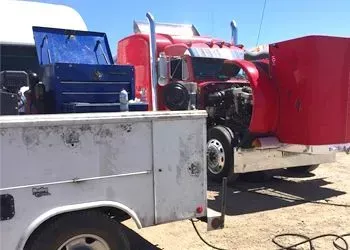
For semi truck drivers in Tucson, the engine is the heart of their rig. Whether you’re hauling freight through the desert or making a quick run to Phoenix, a well-functioning engine is crucial for safe, efficient travel. Unfortunately, engine issues are an inevitable part of trucking, and when problems arise, they can quickly lead to costly downtime and unexpected repairs.
In the heat and harsh conditions of Southern Arizona, semi trucks face unique challenges that can take a toll on engine performance. From power loss to overheating, understanding common engine problems and their solutions can help keep your truck on the road and minimize the risk of a breakdown.
At Tucson Truck Repair & Towing, we specialize in semi truck engine repair and maintenance, addressing the most common engine issues that affect trucks in the region. This article explains the top engine problems Tucson drivers face, their causes, and how to prevent them with expert repair and maintenance services.
Common Semi Truck Engine Problems in Tucson
1. Power Loss
One of the most noticeable engine issues Tucson truck drivers face is power loss. This can occur during acceleration or when attempting to haul heavy loads, especially up steep grades or during long hauls.
Root Causes of Power Loss:
- Clogged Fuel Filters: Over time, fuel filters can become clogged with dirt and debris, restricting the flow of diesel to the engine.
- Dirty Air Filters: Similarly, air filters can become blocked, limiting the oxygen necessary for combustion.
- Fuel Injector Issues: Misfiring or sputtering fuel injectors can result in a rough power delivery and decreased engine performance.
How to Fix It: Regular maintenance is the key to preventing power loss. Change your fuel and air filters at recommended intervals (every 15,000–30,000 miles). Have your injectors professionally inspected and cleaned as part of your routine service. By addressing these issues early, you can avoid a significant loss in engine power and maintain smooth performance on the road.
2. Hard Starting
Hard starting can occur when your truck’s engine struggles to start or won’t start at all, especially after being parked for an extended period. While Tucson’s warm temperatures are typically not an issue, the temperature swings at night can still cause problems.
What Might Be Causing It:
- Weak Battery: Diesel engines rely heavily on batteries to get started, and in the extreme heat of Tucson, batteries can degrade over time.
- Failing Glow Plugs: Glow plugs are essential for heating the combustion chamber during cold starts. If they fail, the engine may not start properly.
- Battery Strain: Batteries in semi trucks are often under heavy strain in desert climates, leading to wear and potential failure.
Prevention Tip: Test your battery regularly and replace it every 3–5 years. Additionally, make glow plug maintenance part of your regular tune-ups. In Tucson, where temperatures can fluctuate, be proactive in maintaining your starting system to avoid being stranded.
3. Excessive Exhaust Smoke
Smoke coming from the exhaust is often a sign that something is wrong inside the engine. If you notice black, blue, or white smoke, it could be time to investigate further.
Why It Happens:
- Incomplete Combustion: When the fuel mixture is incorrect or the engine doesn’t burn the fuel efficiently, it can lead to excess smoke.
- Faulty Sensors: Failing sensors (like the oxygen or mass air flow sensor) can affect the combustion process, leading to poor fuel efficiency and excess exhaust.
- Turbocharger Issues: If the turbocharger is malfunctioning, it can lead to an imbalance in the air-fuel ratio, causing visible exhaust.
Solution: A diagnostic tune-up can identify the exact cause of the smoke. Replacing malfunctioning sensors and cleaning the turbocharger can help restore normal engine function and reduce emissions.
4. Overheating
Tucson’s extreme heat places additional strain on semi truck engines, and overheating is a serious problem that can cause long-term damage. It’s essential to address overheating quickly to avoid more severe engine failures, such as warped cylinder heads or damaged pistons.
Possible Causes:
- Low Coolant Levels: Coolant keeps your engine from overheating. If it’s low or leaking, your engine may not be able to regulate temperature effectively.
- Clogged Radiators: Debris and dust in Tucson’s environment can clog your radiator, reducing its ability to dissipate heat.
- Failed Thermostat: The thermostat controls the flow of coolant. If it sticks in the closed position, it can trap hot coolant in the engine, causing overheating.
Preventive Fix: Regularly check your coolant levels and look for any leaks around hoses and gaskets. Have your radiator inspected and flushed as part of routine maintenance. By addressing minor coolant issues early, you can avoid major overheating problems down the road.
5. Fuel Injector Problems
Fuel injectors are responsible for delivering fuel to the combustion chamber in precise amounts. If they become clogged or leak, it can lead to poor engine performance, inefficiency, and excess heat.
Common Causes:
- Clogged Injectors: Dirt and debris in the fuel can clog injectors, leading to improper fuel delivery.
- Leaking Injectors: Leaking injectors can cause fuel to enter the engine oil, leading to potential engine damage.
Maintenance Fix: Regularly clean your injectors and use high-quality fuel to minimize the risk of contamination. Have your injectors tested during each tune-up to ensure they’re working properly.
Why Regular Maintenance Is Essential for Semi Truck Engines
In Tucson’s demanding climate, regular maintenance isn’t just about fixing problems—it’s about preventing them. Routine inspections and proactive care help ensure your truck runs efficiently and reliably, reducing the chances of unexpected breakdowns. At Tucson Truck Repair & Towing, we specialize in handling the complex repair and maintenance needs of semi trucks in the region.
Preventive Maintenance Tips
Here are a few key practices to keep your truck running smoothly:
- Oil Changes: Change the oil every 10,000–20,000 miles, depending on your truck’s make and model.
- Fuel Filter Replacement: Replace fuel filters every 15,000–30,000 miles to ensure smooth fuel delivery.
- Coolant Checks: Regularly inspect coolant levels and flush the radiator when necessary, especially in Tucson’s high heat.
- Air Filter Replacement: Replace air filters every 15,000 miles to prevent air restriction and maintain proper combustion.
- Battery Maintenance: Test your battery every 6 months and replace it when needed to prevent hard starts.
By staying on top of these maintenance tasks, you’ll avoid unexpected repairs and ensure that your truck is always ready for the road.
Why Choose Tucson Truck Repair & Towing?
When it comes to keeping your semi truck in peak condition, you need a repair partner you can trust. Tucson Truck Repair & Towing offers:
- Expert Technicians: Our 35+ technicians specialize in everything from electrical diagnostics to heavy-duty transmission repairs.
- 24/7 Roadside Assistance: We’re ready to assist you anytime, anywhere in Southern Arizona.
- Comprehensive Services: From engine diagnostics to aftertreatment repairs and trailer work, we handle it all.
- Fast, Reliable Service: We understand that downtime means lost income, so we work quickly to get you back on the road.
At Tucson Truck Repair & Towing, we pride ourselves on offering dealership-quality service without the long wait times. Our expert team can diagnose and repair your truck faster, so you’re not left stranded or waiting for a diagnosis.
Keep Your Semi Truck Running Smoothly with Expert Care
Semi truck engines require expert care to perform efficiently, especially in Tucson’s tough conditions. By staying on top of maintenance and recognizing common issues, you can avoid costly repairs and minimize downtime. If you need help, Tucson Truck Repair & Towing is here for you.
Don’t let engine problems slow you down. Contact us at (520) 665-9550 today for fast, reliable service and get back on the road.